

Why Hip Flexor Health is Essential for Overall Wellness
When we think about fitness and wellness, our minds often jump to toned abs, strong arms, or powerful legs. However, there’s an unsung hero in our body that plays a crucial role in our overall well-being: the hip flexors. These muscles are pivotal to our mobility, posture, and even mental health. In this post, we’ll explore why maintaining healthy hip flexors is vital for our overall wellness.
Table of Contents
1. Introduction to Hip Flexors
2. The Role of Hip Flexors in the Body
3. Benefits of Healthy Hip Flexors
4. Common Hip Flexor Issues
5. Tips for Maintaining Hip Flexor Health
6. Conclusion
7. FAQs
Introduction to Hip Flexors
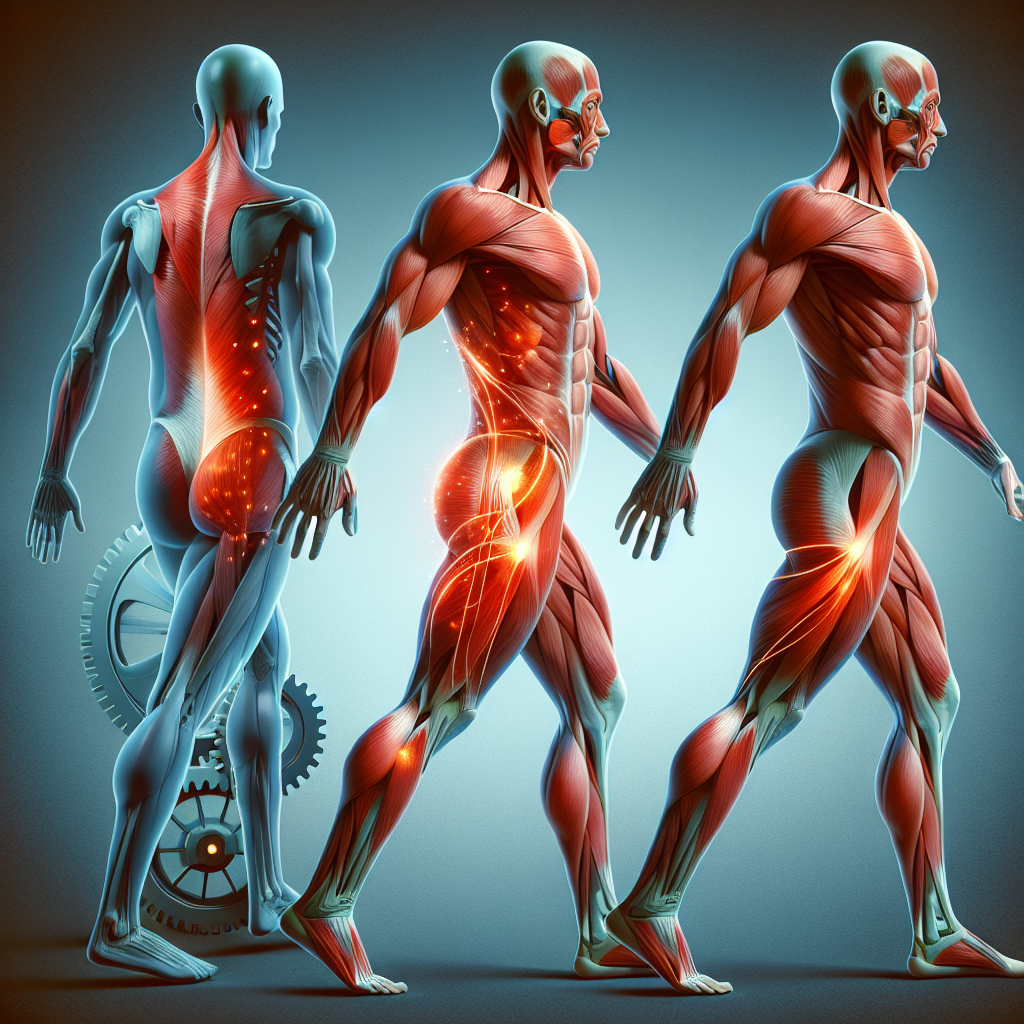
Located in the pelvic region, the hip flexors are a group of muscles that help you lift your knees and bend at the waist. They include the iliopsoas, rectus femoris, and sartorius muscles. Whether you’re walking, running, or just sitting at your desk, these muscles are constantly at work. However, many people overlook their importance until they experience discomfort or pain.
The Role of Hip Flexors in the Body
Hip flexors are essential for a wide range of movements. They allow you to perform everyday activities such as walking, climbing stairs, and even standing up from a seated position. Beyond movement, they also contribute to maintaining good posture and balance. When your hip flexors are strong and flexible, your overall body mechanics improve, reducing the risk of injury.

Benefits of Healthy Hip Flexors
1. Enhanced Mobility: Healthy hip flexors enable a greater range of motion, making it easier to perform both simple and complex movements.
2. Improved Posture: Tight hip flexors can lead to poor posture, often resulting in back pain. By keeping these muscles flexible, you support a healthy spine alignment.
3. Reduced Risk of Injury: Flexible hip flexors help distribute weight more evenly across your lower body, minimizing the strain on your knees, ankles, and back.
4. Boosted Athletic Performance: For athletes, strong hip flexors translate to better performance in sports, as they are crucial for generating power and speed.
5. Mental Well-being: Believe it or not, tight hip flexors can contribute to stress and anxiety. Stretching these muscles can promote relaxation and mental clarity. 🧘♂️
Common Hip Flexor Issues
Despite their importance, hip flexors are prone to several problems, especially if they are overused or neglected. Here are a few common issues:
1. Tightness: Prolonged sitting can lead to tight hip flexors, causing discomfort and restricted movement.
2. Strain: Overexertion or sudden movements can strain these muscles, leading to pain and limited mobility.
3. Imbalance: Weak hip flexors can result in muscle imbalances, affecting your overall posture and gait.
Tips for Maintaining Hip Flexor Health
1. Regular Stretching: Incorporate hip flexor stretches into your daily routine. Exercises like lunges, butterfly stretches, and the pigeon pose can help.
2. Strength Training: Strengthen your hip flexors with exercises such as leg raises, planks, and mountain climbers.
3. Active Lifestyle: Avoid long periods of sitting. Take breaks to stand, walk, or do light exercises to keep your hip flexors engaged.
4. Mindful Posture: Pay attention to your posture, especially when sitting. Use ergonomic chairs and maintain a neutral spine position.
5. Consult a Professional: If you experience persistent hip pain, consult a healthcare professional or physiotherapist for personalized advice.
Conclusion
The health of your hip flexors is a cornerstone of your overall wellness. By keeping these muscles in good shape, you enhance your mobility, posture, and even mental health. Don’t wait for discomfort to remind you of their importance. Start incorporating hip flexor exercises into your routine today, and enjoy the myriad of benefits they bring. 🏃♀️
FAQs
Q: Can tight hip flexors cause back pain?
A: Yes, tight hip flexors can pull your pelvis forward, leading to lower back pain.
Q: How often should I stretch my hip flexors?
A: Aim for at least 2-3 times a week, but daily stretches can provide better results.
Q: Are there any simple stretches I can do at home?
A: Absolutely! Lunges, seated butterfly stretches, and standing quad stretches are easy to do at home.
Q: Can yoga help with hip flexor health?
A: Yes, yoga poses like the warrior pose and pigeon pose are excellent for stretching and strengthening hip flexors.
Embrace the power of healthy hip flexors, and step into a world of improved wellness and vitality! 🌟