
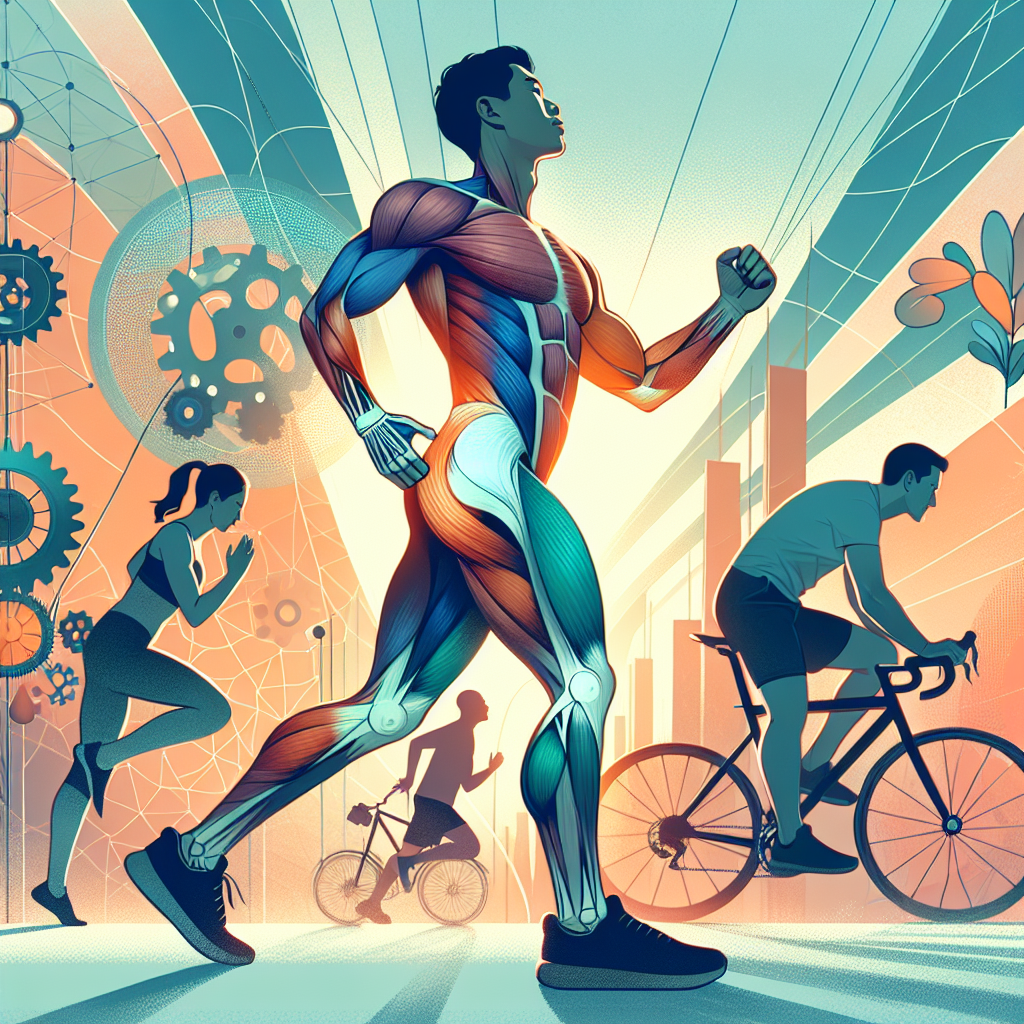
The Role of Hip Flexors in Your Daily Movement
Hip flexors might not be the star of the show when it comes to fitness and mobility, but these unsung heroes play a crucial role in our everyday movements. Whether you’re an athlete or someone who enjoys a leisurely walk, understanding the function of your hip flexors can enhance your physical health and performance. Let’s dive into the world of hip flexors and explore how they impact your daily life. 🌟
Table of Contents
1. Introduction
2. What Are Hip Flexors?
3. Importance of Hip Flexors in Daily Movement
4. Common Issues with Hip Flexors
5. Strengthening and Stretching Your Hip Flexors
6. Conclusion
7. FAQs
Introduction
Hip flexors are a group of muscles located near the top of your thighs. They are responsible for a range of movements, including lifting your knees and bending at the waist. Despite their critical role, they are often overlooked until they become a source of pain or discomfort. In this article, we’ll explore the anatomy, function, and care of these essential muscles. 🏃♂️
What Are Hip Flexors?
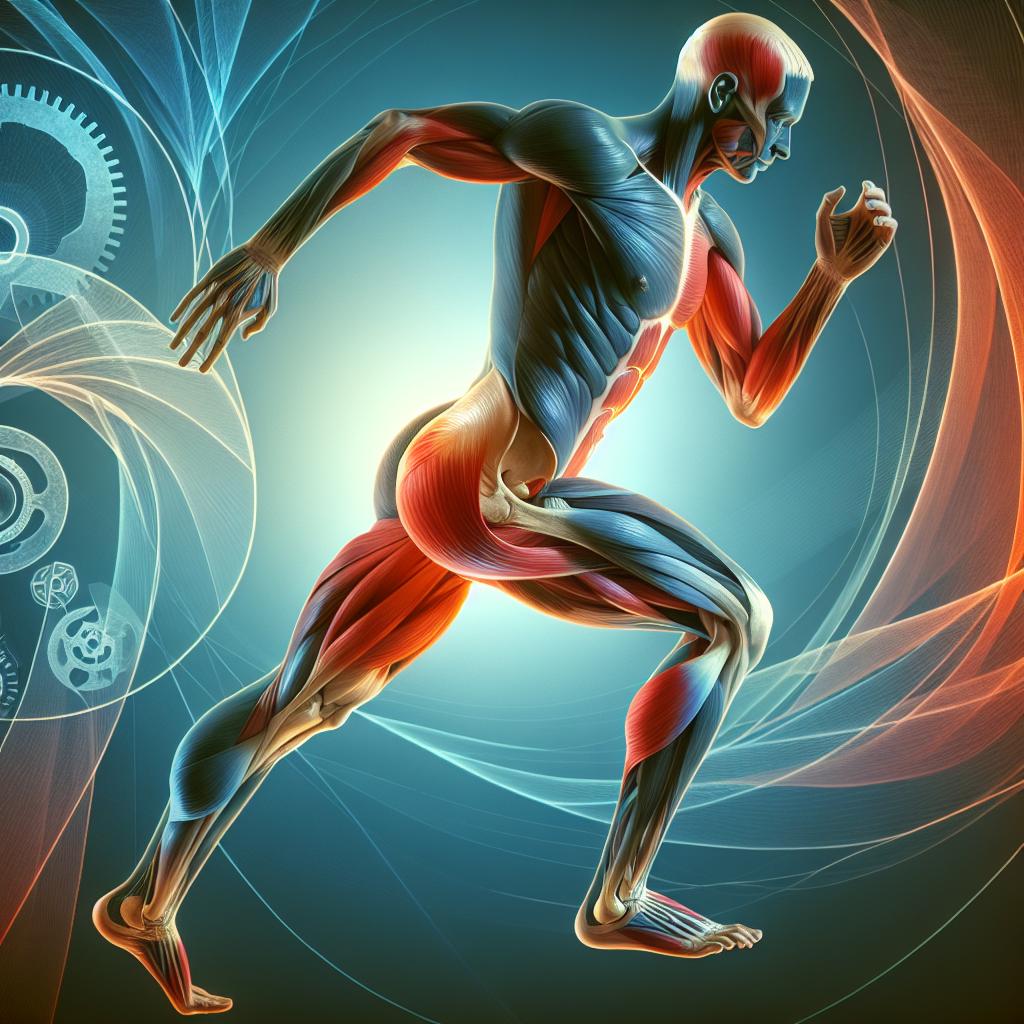
The hip flexors are composed of several muscles, primarily the iliopsoas, which includes the psoas major and the iliacus. These muscles work together with others, such as the rectus femoris and the sartorius, to enable hip flexion. Essentially, whenever you walk, run, or sit, your hip flexors are hard at work. They are dynamic stabilizers of the hip joint, allowing for a wide range of motion and flexibility.
Importance of Hip Flexors in Daily Movement
Hip flexors are pivotal in nearly every movement that involves the lower body. Here are several ways they impact daily activities:
1. Walking and Running: Every step you take involves the hip flexors. They help lift your legs and provide the necessary swing for forward motion.
2. Sitting and Standing: Hip flexors engage when you sit down and stand up, controlling the movement and maintaining balance.
3. Stability and Posture: Strong hip flexors contribute to better posture by stabilizing the pelvis and spine, reducing the risk of back pain.
Common Issues with Hip Flexors
Despite their importance, hip flexors can become tight or strained, especially if you lead a sedentary lifestyle or engage in repetitive activities. Common problems include:
Tightness: Prolonged sitting can lead to tight hip flexors, which may cause discomfort and limit mobility.
Strains: Overuse or sudden movements can strain the hip flexors, resulting in pain and reduced function.
Imbalances: Weak or imbalanced hip flexors can lead to compensation by other muscle groups, potentially causing injury.
Strengthening and Stretching Your Hip Flexors
Maintaining healthy hip flexors is crucial for overall mobility and function. Here are some tips to keep them strong and flexible:
1. Stretching: Regular stretching can help alleviate tightness. Focus on stretches like the kneeling hip flexor stretch or the pigeon pose.
2. Strengthening Exercises: Incorporate exercises like lunges, leg raises, and mountain climbers to strengthen your hip flexors.
3. Mindful Movement: Pay attention to your posture and movement patterns to avoid unnecessary strain on your hip flexors.
Conclusion
Understanding the role of hip flexors in your daily movement can lead to better health and performance. By paying attention to these essential muscles, you can prevent discomfort and enhance your overall physical well-being. Remember, a little care goes a long way in maintaining mobility and preventing injuries. 💪
FAQs
Q1: Can tight hip flexors cause back pain?
A1: Yes, tight hip flexors can tilt the pelvis forward, increasing the curve of the lumbar spine and potentially leading to back pain.
Q2: How often should I stretch my hip flexors?
A2: Incorporate hip flexor stretches into your routine at least 2-3 times per week, especially if you have a sedentary lifestyle.
Q3: Are there any risks in strengthening hip flexors?
A3: While strengthening is beneficial, overdoing exercises or using improper form can lead to strains. Always focus on proper technique and gradual progression.
By understanding and caring for your hip flexors, you’ll be well on your way to improved mobility and a healthier lifestyle. 🏃♀️