
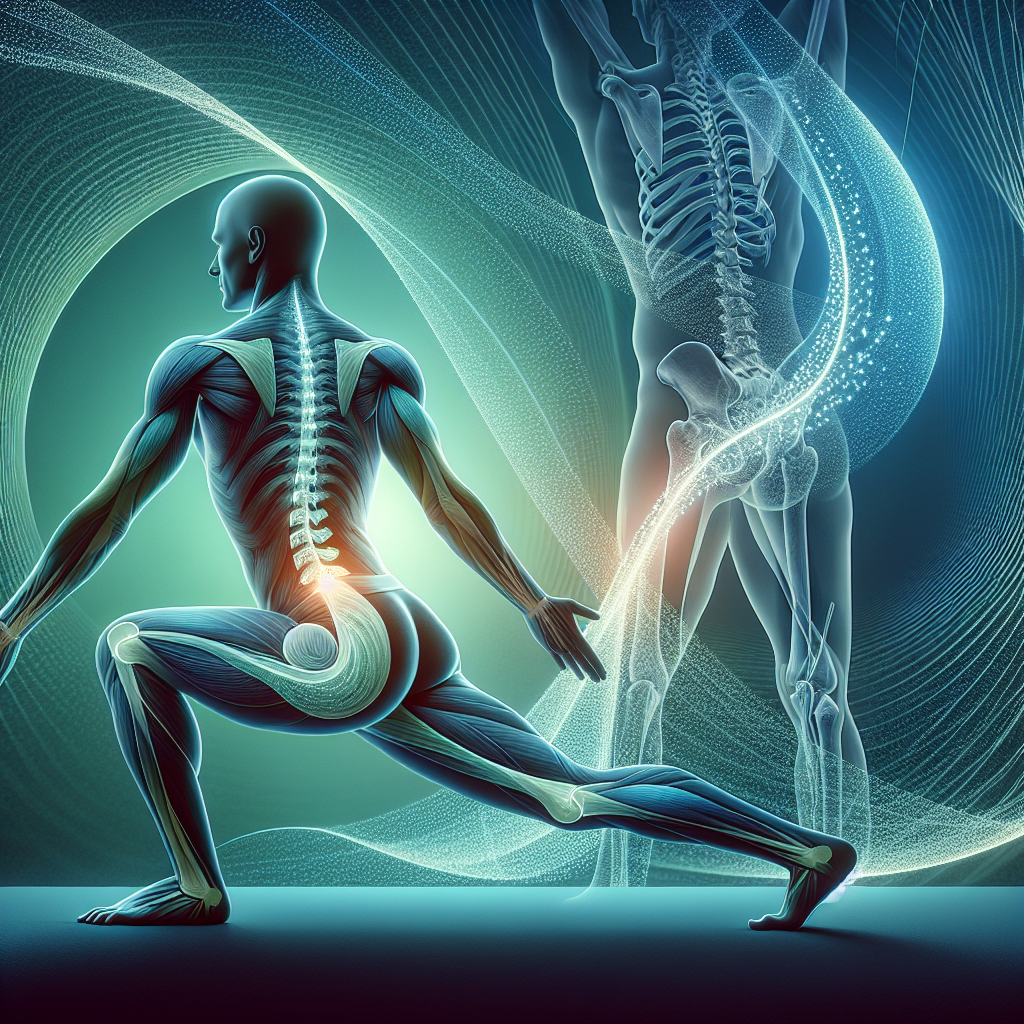
The Connection Between Hip Flexors and Lower Back Pain
Have you ever wondered why your lower back pain just won’t go away, no matter how much you stretch or exercise? 🤔 The culprit might be something you haven’t considered—your hip flexors. In this blog post, we’ll explore the intricate relationship between hip flexors and lower back pain, why it matters, and how you can find relief.
Table of Contents
1. Introduction
2. Understanding Hip Flexors
3. How Hip Flexors Affect Lower Back Pain
4. Signs Your Hip Flexors Are Tight
5. Exercises to Alleviate Pain
6. When to Seek Professional Help
7. Conclusion
8. FAQs

Understanding Hip Flexors
Let’s start by breaking down what hip flexors are. Your hip flexors are a group of muscles located in the front of your hip. These muscles include the iliacus and psoas major, commonly referred to as the iliopsoas, and they play a crucial role in your everyday movements. From walking and running to sitting and bending, these muscles are hard at work. But when they become tight or strained, they can wreak havoc on your lower back.
How Hip Flexors Affect Lower Back Pain
So, how exactly do tight hip flexors lead to lower back pain? 🤔 It all comes down to the anatomy of your body. When your hip flexors are tight, they pull your pelvis forward. This anterior pelvic tilt increases the arch in your lower back, putting excessive strain on the lumbar spine. Over time, this can lead to chronic pain and discomfort.
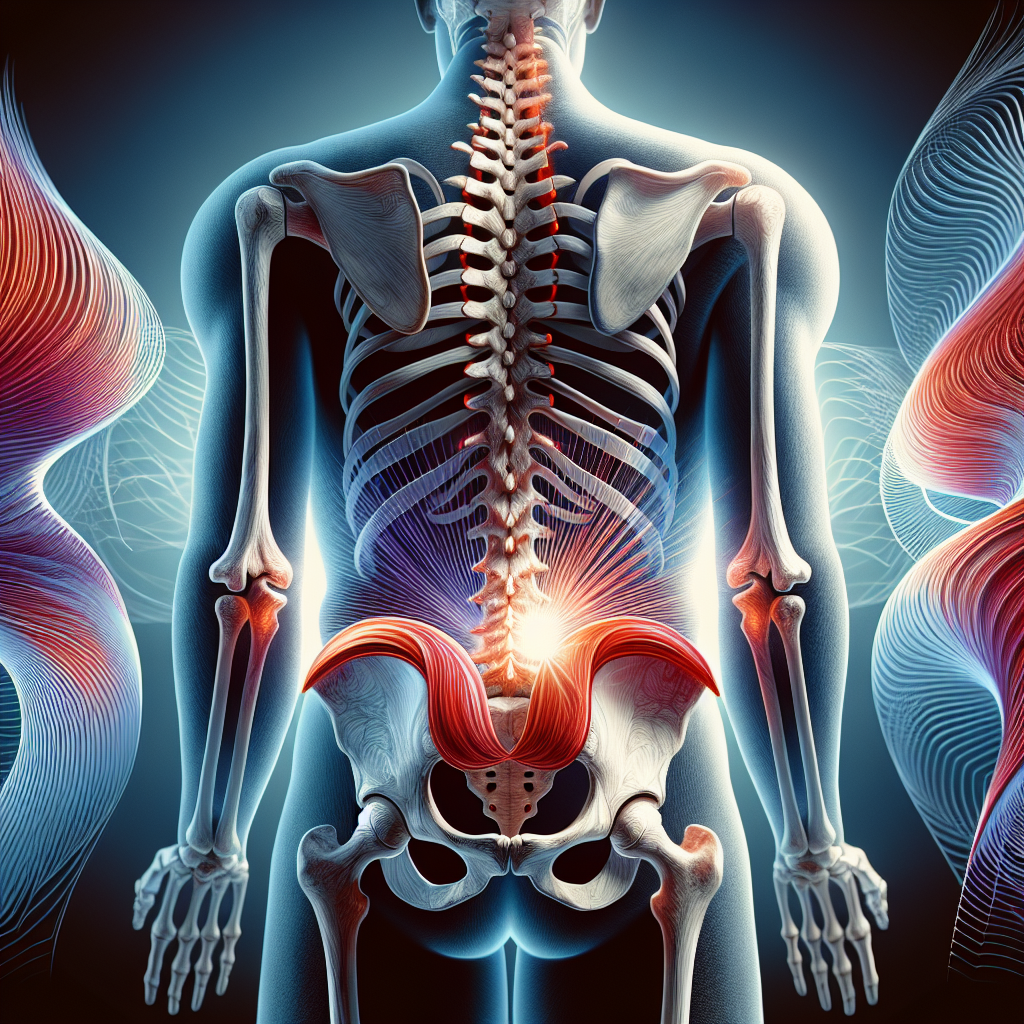
Moreover, tight hip flexors can limit your range of motion, forcing your lower back to compensate during movements. This compensation can further exacerbate pain, creating a vicious cycle that’s hard to break.
Signs Your Hip Flexors Are Tight
How do you know if your hip flexors are the root of your lower back pain? Here are some signs to look out for:
– Persistent lower back pain, especially after sitting for long periods
– Stiffness and discomfort in the front of your hip
– Difficulty standing up straight after sitting
– A noticeable arch in the lower back when standing
If you’re experiencing these symptoms, it’s time to pay attention to your hip flexors.
Exercises to Alleviate Pain
The good news is that there are exercises specifically designed to stretch and strengthen your hip flexors, potentially alleviating your lower back pain. Here are a few to try:
1. Hip Flexor Stretch
Kneel on your right knee with your left foot in front, creating a 90-degree angle at both knees. Push your hips forward slightly while keeping your back straight. Hold for 20-30 seconds and switch sides.
2. Pigeon Pose
Start in a plank position. Bring your right knee forward and lay it on the ground near your right wrist, extending your left leg behind you. Lower your torso down for a deeper stretch. Hold for 30 seconds and switch sides.
3. Bridge Pose
Lie on your back with your knees bent and feet flat on the floor. Lift your hips towards the ceiling, squeezing your glutes, and hold for a few seconds before lowering back down. Repeat 10-15 times.
When to Seek Professional Help
While these exercises can be beneficial, sometimes professional intervention is necessary. If your pain persists despite self-care efforts, consider consulting a physical therapist or chiropractor. They can provide personalized assessments and treatment plans to address your specific needs.
Conclusion
Understanding the connection between hip flexors and lower back pain is the first step towards relief. By incorporating targeted exercises and being mindful of your body’s signals, you can alleviate pain and improve your overall quality of life. Remember, your journey to a pain-free back starts with paying attention to those often-overlooked hip flexors. 💪
FAQs
Q: Can sitting all day cause tight hip flexors?
A: Yes, prolonged sitting can lead to tight hip flexors as they remain in a shortened position for extended periods.
Q: How often should I do hip flexor stretches?
A: Aim to incorporate hip flexor stretches into your routine at least 3-4 times a week for best results.
Q: Are there any activities that can worsen tight hip flexors?
A: Activities that involve prolonged sitting or repetitive hip flexion, like cycling, can contribute to tight hip flexors if not balanced with stretching.
Q: Can yoga help with hip flexor tightness?
A: Absolutely! Yoga poses like the Pigeon Pose and Warrior Pose can be particularly effective in stretching and strengthening the hip flexors.