

How Unlocking Hip Flexors Can Alleviate Sciatica
Sciatica is a painful condition that many people struggle with, often feeling like there’s no end in sight. But what if the key to relief lay in a part of your body you hadn’t considered? Unlocking your hip flexors might be the answer. In this post, we’ll explore how improving hip flexor health can alleviate sciatica. Let’s dive in! 🧘♀️
Table of Contents
1. Understanding Sciatica
2. The Role of Hip Flexors
3. How Tight Hip Flexors Affect Sciatica
4. Techniques to Unlock Your Hip Flexors
5. Benefits of Unlocking Hip Flexors
6. Conclusion
7. FAQs
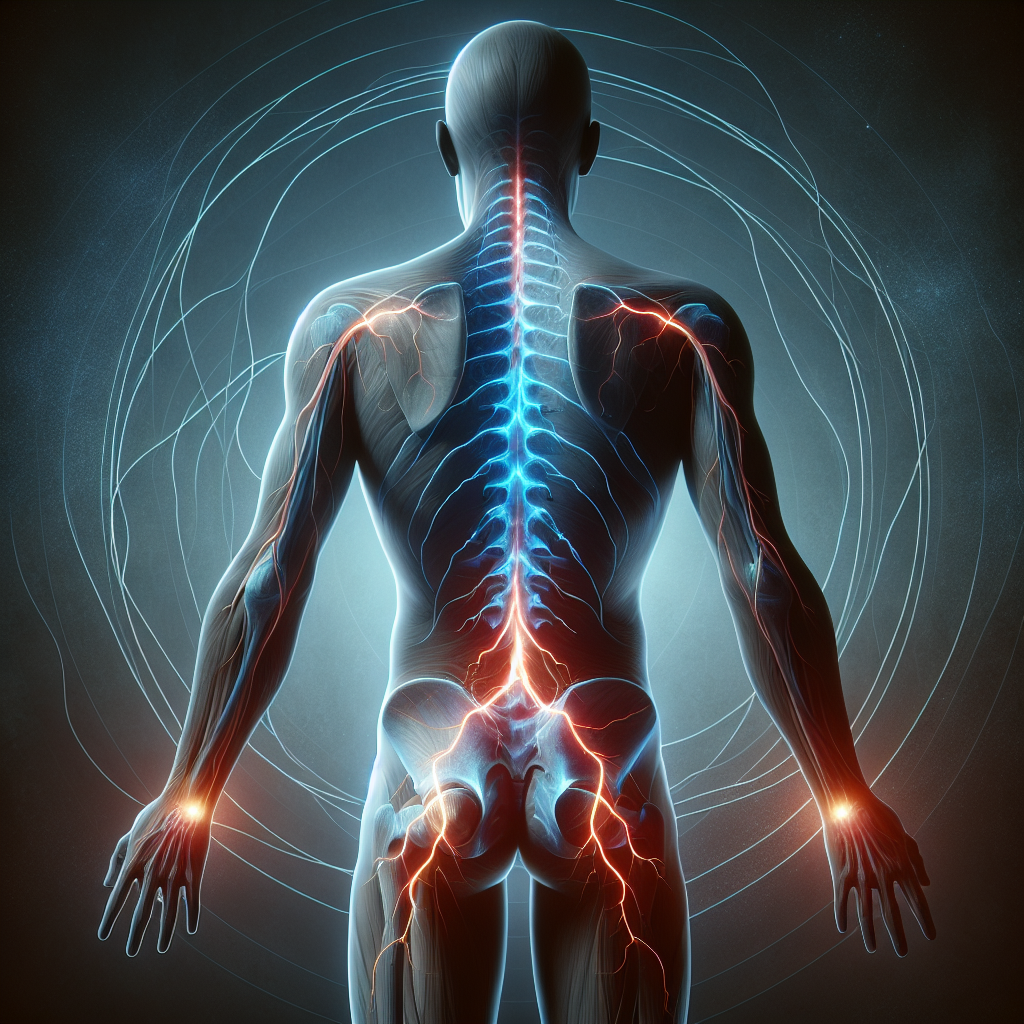
Understanding Sciatica
Sciatica isn’t just a fancy term for back pain; it’s a specific type of discomfort that stems from the sciatic nerve, the longest nerve in your body. This nerve runs from your lower back, through your hips and buttocks, and down each leg. When something irritates or compresses the sciatic nerve, it can lead to sharp, burning pain, tingling, or numbness that typically affects only one side of your body.
The causes of sciatica can vary, ranging from herniated discs to bone spurs. However, one lesser-known contributor to this condition is tight hip flexors. 🤔
The Role of Hip Flexors
The hip flexors are a group of muscles located near the top of your thighs. They allow you to lift your knees and bend at the waist. In today’s world of desk jobs and sedentary lifestyles, these muscles can become tight and short, causing a ripple effect of issues, including lower back pain and, you guessed it, sciatica.

Your hip flexors connect the lower back to the thighs, and when they’re tight, they can pull on the spine, leading to misalignment and nerve compression. So, by focusing on these muscles, we can potentially relieve some of the pressure on the sciatic nerve.
How Tight Hip Flexors Affect Sciatica
Tight hip flexors can lead to a condition known as anterior pelvic tilt, where your pelvis tilts forward. This misalignment increases the curve in your lower back, putting additional pressure on the lumbar spine and the sciatic nerve. The result? Increased pain and discomfort.
Not only do tight hip flexors affect your posture, but they also limit your range of motion, making everyday activities more difficult and painful. It’s a vicious cycle: pain limits movement, and limited movement exacerbates pain. Breaking this cycle is crucial for relief. 🚴♂️
Techniques to Unlock Your Hip Flexors
Fortunately, there are several effective techniques to help unlock your hip flexors:
1. Stretching Exercises
Incorporate stretches that target the hip flexors, such as the lunge stretch or the butterfly stretch. These exercises can help lengthen and relax the muscles, reducing tension.
2. Foam Rolling
Using a foam roller on your hip flexors can help release muscle tightness and improve blood flow. It’s like giving your muscles a gentle massage, breaking down scar tissue and adhesions.
3. Yoga and Pilates
Both yoga and Pilates focus on flexibility, core strength, and alignment. Poses such as the pigeon pose or bridge pose can effectively target and release hip flexor tension.
4. Consistent Movement
Stand up and stretch regularly if you have a sedentary job. Incorporating short walks throughout your day can prevent your muscles from tightening up.
Benefits of Unlocking Hip Flexors
Unlocking your hip flexors can offer numerous benefits beyond sciatica relief:
1. Improved posture: With less tension pulling on your spine, you may notice better alignment and posture.
2. Enhanced mobility: Loosening tight muscles can increase your range of motion, making daily activities easier and more comfortable.
3. Reduced risk of injury: Flexible muscles are less prone to strains and injuries.
4. Better athletic performance: If you’re an athlete, unlocking your hip flexors can contribute to more powerful and efficient movements. 🏃♀️
Conclusion
While sciatica can be debilitating, understanding the role of your hip flexors in this condition offers a proactive path to relief. By incorporating exercises and habits that keep these muscles flexible and healthy, you can alleviate pressure on your sciatic nerve and reclaim your life from pain.
FAQs
How long does it take to see results from hip flexor exercises?
The time frame varies for each individual, but many people begin to notice improvements in flexibility and reduction in pain within a few weeks of consistent practice.
Can I perform these exercises if I’m in pain?
It’s crucial to listen to your body. If an exercise exacerbates your pain, stop and consult a healthcare professional. Modify exercises as needed to avoid discomfort.
Is professional guidance necessary?
While many exercises can be done at home, consulting a physical therapist or trainer can provide personalized guidance, ensuring you perform exercises safely and effectively.
Remember, every step you take towards unlocking your hip flexors is a step towards a more comfortable, active life. Good luck on your journey to wellness! 🌟