

Expert Tips for Unlocking Stubborn Hip Flexors
Hip flexors might not be the most glamorous muscles in the body, but they are crucial for maintaining mobility and overall health. If you’ve ever experienced tightness or discomfort in your hips, you know how debilitating it can be. In this blog post, we’ll explore expert tips to help you unlock those stubborn hip flexors effectively. 🧘♂️
Table of Contents
1. Introduction
2. Understanding Hip Flexors
3. Causes of Tight Hip Flexors
4. Expert Tips for Relaxing Your Hip Flexors
4.1. Stretching Techniques
4.2. Strengthening Exercises
4.3. Incorporating Movement into Daily Life
5. Common Mistakes to Avoid
6. Conclusion
7. FAQs
Introduction
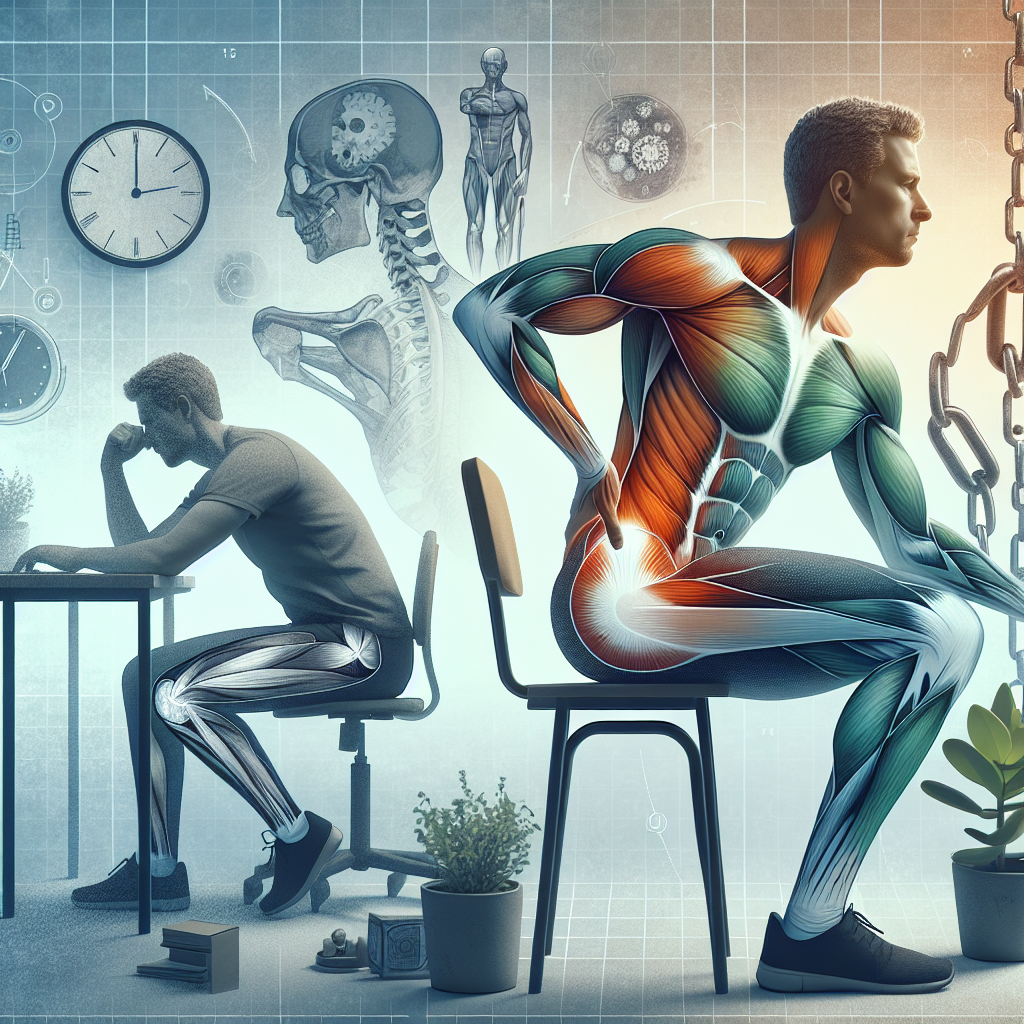
In our modern world, where sitting is a significant part of daily life, tight hip flexors have become a common issue. Whether it’s due to long hours at a desk or intense workout routines that don’t focus on proper stretching, tight hip flexors can lead to discomfort and even injury. Let’s dive into what hip flexors are and why keeping them flexible is essential.
Understanding Hip Flexors
Hip flexors are a group of muscles located in the front of the hip. They play a vital role in movements such as walking, running, and bending. The primary muscles involved are the iliopsoas, tensor fasciae latae, and rectus femoris. When these muscles are tight, they can limit your range of motion and lead to lower back pain. 🏃♀️

Causes of Tight Hip Flexors
Several factors can contribute to tight hip flexors:
– Sedentary Lifestyle: Prolonged sitting can cause the hip flexors to shorten over time.
– Overuse: Activities that involve repetitive hip flexion, such as cycling or running, can lead to tightness.
– Poor Posture: Slouching or improper alignment can put extra strain on the hips.
Expert Tips for Relaxing Your Hip Flexors
4.1. Stretching Techniques
Incorporating regular stretching into your routine can significantly help in loosening tight hip flexors. Here are a few effective stretches:
Standing Hip Flexor Stretch: Stand with your feet shoulder-width apart. Step one foot back, bend your front knee, and push your hips forward. Hold for 30 seconds and switch sides.
Kneeling Hip Flexor Stretch: Kneel on your right knee, with your left foot in front in a 90-degree angle. Push your hips forward gently, feeling the stretch in the front of your right hip.
4.2. Strengthening Exercises
Strengthening exercises can also help in maintaining flexible and healthy hip flexors:
Glute Bridges: Lie on your back with knees bent and feet flat on the floor. Lift your hips towards the ceiling, squeezing your glutes. This exercise helps balance the hip flexor muscles by strengthening the opposing muscles.
Leg Raises: While lying flat on your back, lift one leg at a time, keeping it straight. This strengthens the hip flexors and improves flexibility.
4.3. Incorporating Movement into Daily Life
Regular movement is key to preventing and alleviating hip flexor tightness. Consider the following tips:
– Take Breaks: Stand up and walk around every hour if you’re working at a desk.
– Active Commuting: If possible, walk or cycle to work to keep your hips active.
– Yoga and Pilates: These practices incorporate flexibility and strength, making them excellent for hip health.
Common Mistakes to Avoid
While working on your hip flexors, avoid these common pitfalls:
– Skipping Warm-Ups: Always warm up before stretching to prevent injuries.
– Overstretching: Listen to your body and avoid pushing too hard, which can lead to muscle strains.
– Neglecting Other Muscles: Focus on a balanced workout routine that involves all muscle groups to support your hips.
Conclusion
Unlocking stubborn hip flexors is not just about stretching; it’s about creating a balanced routine that incorporates strength, flexibility, and regular movement. By understanding your body’s needs and making these exercises a part of your daily routine, you can maintain healthy, flexible hips that support your active lifestyle. 💪
FAQs
Q: How often should I stretch my hip flexors?
A: Aim to stretch your hip flexors at least 3-4 times a week for optimal flexibility.
Q: Can tight hip flexors cause back pain?
A: Yes, tight hip flexors can tilt the pelvis forward, potentially leading to lower back pain.
Q: Are there any activities I should avoid with tight hip flexors?
A: Avoid activities that involve repetitive hip flexion without proper stretching, such as excessive cycling or running.
By following these expert tips and integrating them into your lifestyle, you can say goodbye to stubborn hip flexor tightness and hello to a more flexible, pain-free life! 🌟