
Unlocking Hip Flexors: The Connection to Emotional Release
When we think about emotional release, our minds might not immediately jump to our hips. However, the hip flexors play a crucial role in both our physical and emotional well-being. This connection is not only fascinating but also offers a gateway to improving our overall health and happiness. In this blog post, we’ll explore the role of hip flexors in emotional release and how you can unlock this potential. 🌟
Table of Contents
1. Introduction to Hip Flexors
2. The Emotional Connection
3. How to Unlock Your Hip Flexors
4. Benefits of Unlocking Hip Flexors
5. Conclusion
6. FAQs
Introduction to Hip Flexors
Our hip flexors are a group of muscles located in the pelvic area. They are responsible for a wide range of movements, including walking, running, and bending. The primary muscles involved are the iliacus and psoas, often referred to collectively as the iliopsoas.
Due to our modern lifestyle, which often involves long periods of sitting, these muscles can become tight and restricted. This physical tension can lead to discomfort and even pain, but it can also have deeper implications for our emotional health.
The Emotional Connection
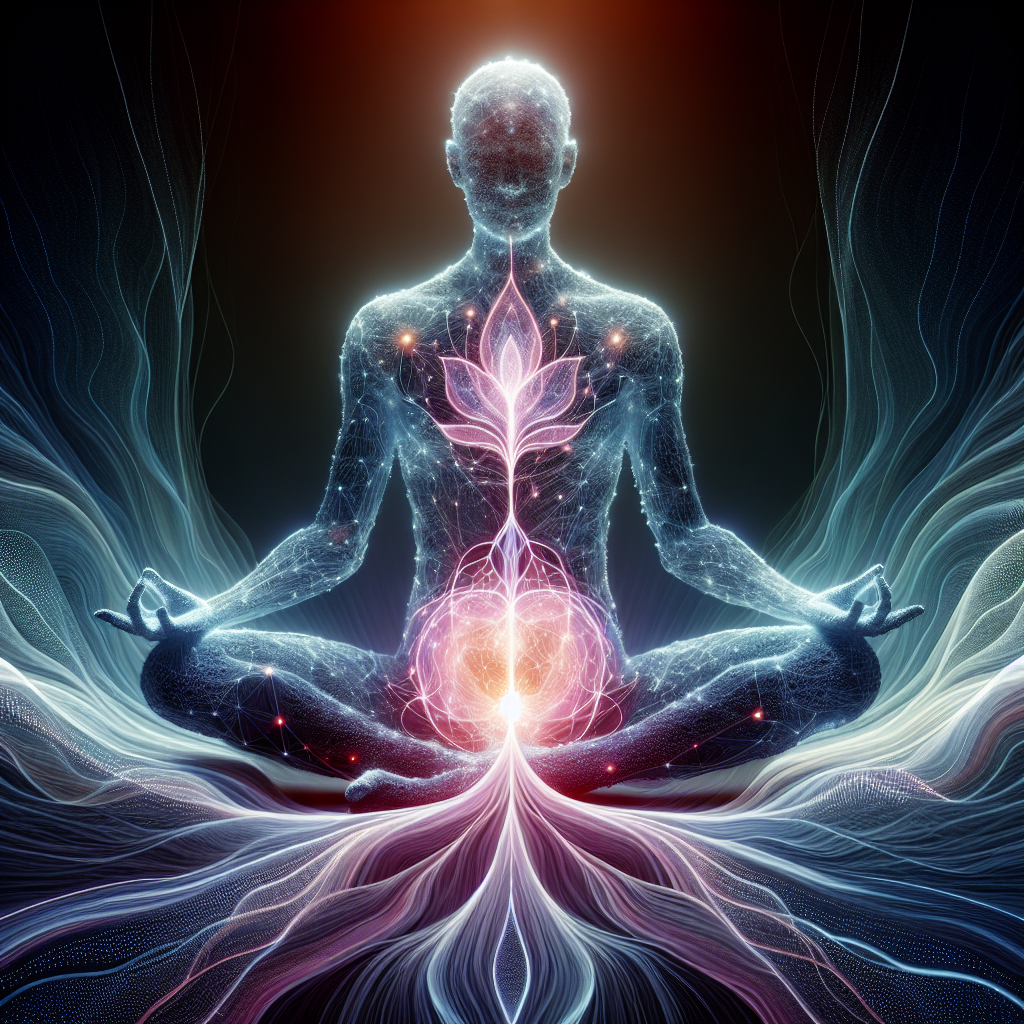
It might seem surprising, but there’s a strong connection between our hip flexors and our emotions. According to somatic therapy theories, emotions are stored in the body, particularly in the hips. This is why stretching or releasing tension in the hip area can sometimes trigger unexpected emotional releases, from tears to laughter.
Our bodies and minds are intricately connected. Stress, anxiety, and unresolved emotions can manifest physically, often settling in areas like the hips. By addressing this tension, we can potentially unlock and process these stored emotions, leading to a more balanced and harmonious state of being.
How to Unlock Your Hip Flexors
So, how can you start working on your hip flexors to promote emotional release? Here are some effective methods:
1. Stretching Exercises
Incorporating hip-opening stretches into your daily routine can significantly improve flexibility and release tension. Poses like the Pigeon Pose, Butterfly Stretch, and Lizard Pose are excellent choices. Remember to breathe deeply and focus on relaxing into each stretch.
2. Yoga and Pilates
Both yoga and Pilates offer numerous exercises focused on opening and strengthening the hip flexors. These practices not only enhance physical flexibility but also encourage mindfulness and emotional awareness.
3. Massage Therapy
Regular massage, especially deep tissue or myofascial release, can help target tightness in the hip flexors. A skilled therapist can work through knots and adhesions, promoting both physical and emotional relaxation.
4. Mindful Breathing and Meditation
By incorporating mindful breathing and meditation into your routine, you can foster a deeper connection between your body and mind. This practice helps in addressing and releasing stored emotions, providing a sense of calm and clarity.
Benefits of Unlocking Hip Flexors
Unlocking your hip flexors can lead to a variety of benefits, both physically and emotionally:
1. Improved Mobility and Flexibility
Loosening tight hip flexors can enhance your range of motion, making everyday activities more comfortable and reducing the risk of injury.
2. Emotional Balance and Release
By releasing stored emotions, you may experience a greater sense of emotional balance and well-being. This can lead to improved mood and reduced symptoms of stress and anxiety.
3. Enhanced Athletic Performance
For athletes, having flexible hip flexors can improve performance by increasing speed, agility, and power.
4. Pain Relief
Reducing tension in the hip flexors can alleviate lower back pain, hip discomfort, and other related issues, enhancing your overall quality of life.
Conclusion
The journey to unlocking your hip flexors is not just about physical flexibility—it’s about tapping into a powerful source of emotional release and healing. By addressing this often-overlooked area, you can achieve a holistic sense of well-being, both physically and mentally. So, why not take the first step today? Your body and mind will thank you. 🙏
FAQs
What are the hip flexors, and why are they important?
The hip flexors are a group of muscles that help with movement in the lower body. They play a crucial role in activities such as walking, running, and bending.
How do tight hip flexors affect emotions?
Tight hip flexors can store stress and unresolved emotions. By releasing this tension, you may experience emotional release and enhanced emotional balance.
Can unlocking hip flexors help with back pain?
Yes, releasing tension in the hip flexors can alleviate lower back pain and improve overall posture and comfort.
How often should I perform hip-opening exercises?
Incorporating these exercises into your routine 3-4 times a week can lead to noticeable improvements in flexibility and emotional well-being.