
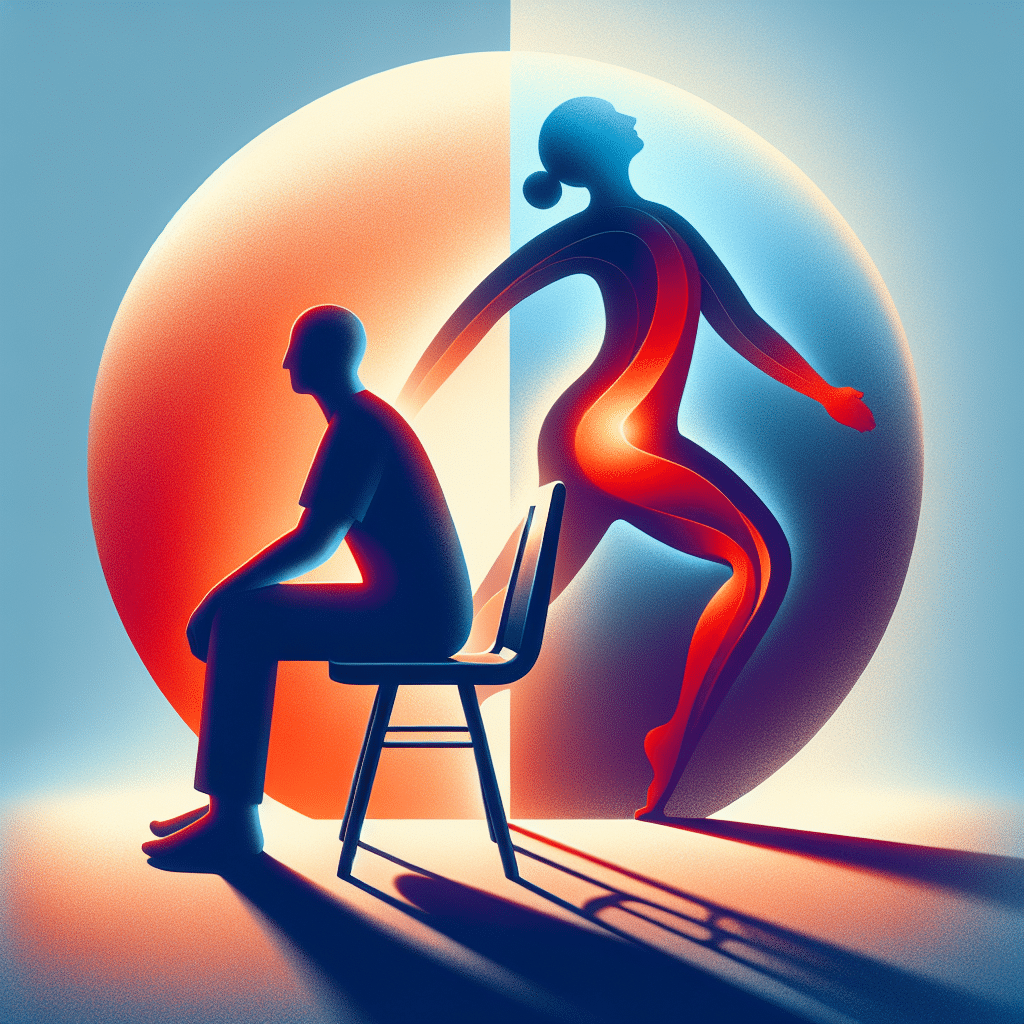
The Impact of a Sedentary Lifestyle on Hip Flexors
In today’s fast-paced digital world, many of us find ourselves glued to our screens, whether for work or leisure. But have you ever stopped to consider how this sedentary lifestyle might be affecting your body, particularly your hip flexors? Let’s dive into this topic and explore the impact of prolonged sitting on this vital muscle group. 🧘♂️
Table of Contents
1. What Are Hip Flexors?
2. How a Sedentary Lifestyle Affects Hip Flexors
3. Symptoms of Tight Hip Flexors
4. Ways to Counteract Sedentary Effects
5. Conclusion
6. FAQs
What Are Hip Flexors?
The hip flexors are a group of muscles located around the top of your thighs. They play a crucial role in allowing you to lift your knees and bend at the waist. These muscles are essential for movements like walking, running, and cycling. The primary muscles involved are the iliopsoas, rectus femoris, and sartorius.
When these muscles are healthy and flexible, they support the spine and pelvis, enabling smooth movement. However, when subjected to prolonged periods of sitting, they can become tight and shortened, leading to discomfort and pain. 😣
How a Sedentary Lifestyle Affects Hip Flexors
In a sedentary lifestyle, where sitting becomes the default position for most hours of the day, the hip flexors are kept in a shortened state. Over time, this lack of movement can lead to muscle imbalances, contributing to poor posture and back pain.
Sitting for extended periods can cause the hip flexors to adaptively shorten, reducing their flexibility and strength. This condition is known as “adaptive shortening,” and it can severely limit your range of motion. Moreover, tight hip flexors can pull on the pelvis, leading to an anterior pelvic tilt, which affects your overall posture. 🪑
Symptoms of Tight Hip Flexors
How do you know if your hip flexors are tight? Here are some common symptoms to watch out for:
– Lower back pain
– Discomfort in the hips or groin area
– Stiffness after sitting for long periods
– Difficulty standing up straight
– A noticeable sway in your lower back
If you’re experiencing any of these symptoms, your hip flexors might be crying out for some attention! 🏥
Ways to Counteract Sedentary Effects
Fortunately, there are several ways to mitigate the effects of a sedentary lifestyle on your hip flexors. Here are some tips to help you maintain flexibility and strength:
1. Stretch Regularly
Incorporating stretches such as the kneeling hip flexor stretch or the pigeon pose can help lengthen and relieve tension in your hip flexors. Aim to stretch daily, especially if you spend a lot of time sitting. 🧘♀️
2. Stay Active
Try to break up your sitting time with regular movement. This could be as simple as taking a short walk every hour or doing some quick exercises like lunges or squats. The key is consistency. 🚶♂️
3. Strengthen Your Core
A strong core can help support your hip flexors and improve your overall posture. Incorporate exercises like planks, bridges, and abdominal crunches into your routine.
4. Use Ergonomic Furniture
Invest in a good ergonomic chair and desk setup. Proper alignment can reduce the strain on your hip flexors, promoting better posture and comfort.
5. Consider Professional Help
If your symptoms persist, consider consulting a physical therapist. They can provide personalized exercises and treatments to help alleviate your discomfort.
Conclusion
A sedentary lifestyle can take a toll on your hip flexors, leading to discomfort and mobility issues. By understanding the impact of prolonged sitting and taking proactive steps to maintain flexibility and strength, you can protect your hip flexors and improve your overall well-being. Remember, a little movement goes a long way! 💪
FAQs
Q1: How long should I stretch my hip flexors daily?
A1: Aim for at least 5-10 minutes of focused stretching daily. Consistency is key for maintaining flexibility.
Q2: Can tight hip flexors cause lower back pain?
A2: Yes, tight hip flexors can contribute to lower back pain by pulling on the pelvis and affecting your posture.
Q3: How often should I take breaks from sitting?
A3: It’s recommended to take a break every 30-60 minutes. Even a few minutes of movement can make a big difference.
Q4: Are there any specific exercises to avoid with tight hip flexors?
A4: Avoid exercises that put excessive strain on your hips, like deep squats or lunges, until you have improved flexibility and strength.
Remember, your body is designed to move. So, let’s get those hip flexors happy and healthy! 😊