
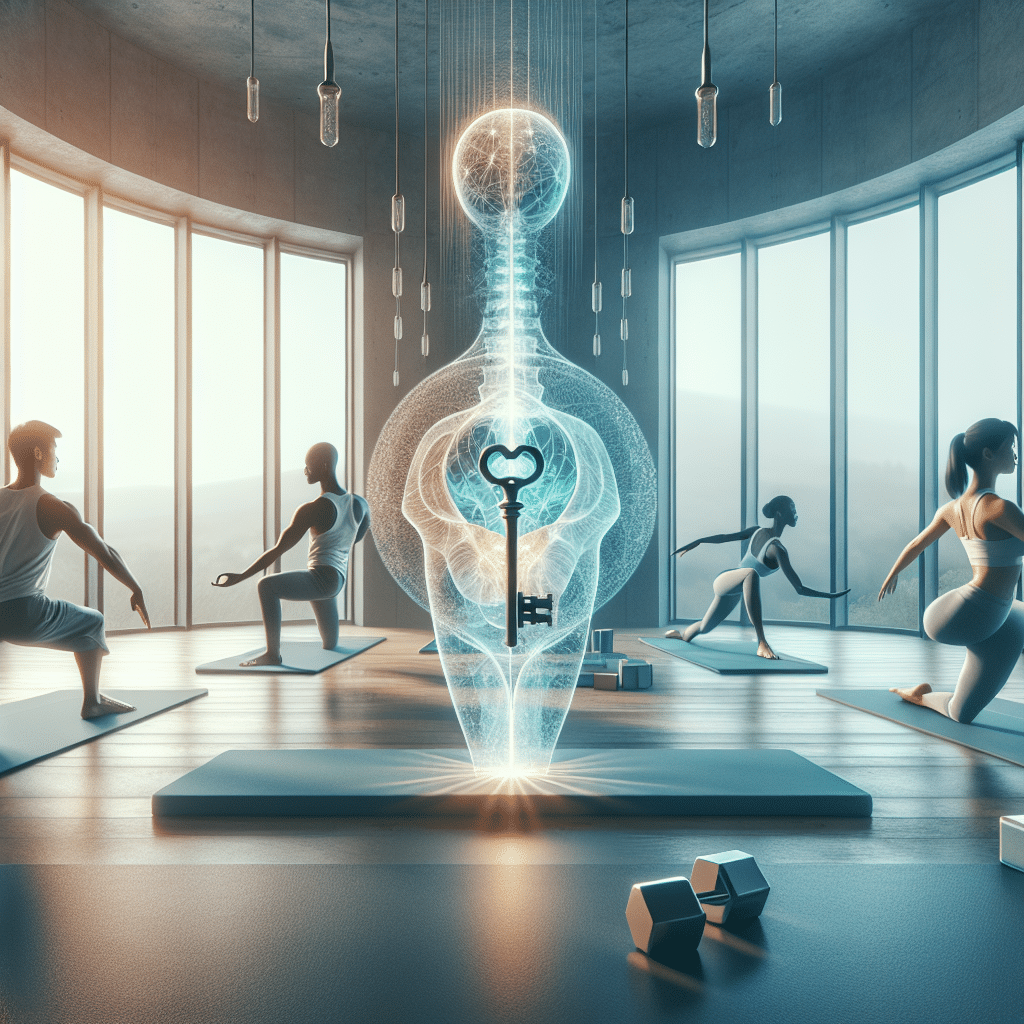
Unlocking Hip Flexors: The Pilates Approach
Welcome to the world of Pilates, where unlocking the mysteries of your body becomes a journey of discovery and wellness. Today, we’re diving deep into understanding and enhancing the flexibility of your hip flexors. Through the principles of Pilates, we can achieve improved mobility, reduced pain, and a greater sense of well-being. Ready to unlock those hips? Let’s get started! 🧘♀️
Table of Contents
1. Introduction to Hip Flexors
2. Why Are Flexible Hip Flexors Important?
3. The Pilates Approach to Hip Flexors
4. Key Pilates Exercises for Hip Flexors
5. Benefits of Improved Hip Flexor Flexibility
6. Conclusion
7. FAQs
Introduction to Hip Flexors
The hip flexors are a group of muscles located towards the front of the hip. They play a crucial role in allowing you to bend at the waist and lift your knees. Despite their importance, these muscles often remain tight and neglected due to prolonged periods of sitting or lack of targeted exercise. But, what exactly are hip flexors, and why should you care?
Imagine them as the gateway to your movement. Whether you’re walking, running, or even dancing, your hip flexors are hard at work. Unfortunately, modern sedentary lifestyles can cause these muscles to tighten, leading to discomfort and a reduced range of motion.
Why Are Flexible Hip Flexors Important?
Flexible hip flexors are vital for maintaining an active and healthy lifestyle. When these muscles are pliable and strong, they support better posture, reduce the risk of injury, and enhance overall athletic performance. Conversely, tight hip flexors can lead to lower back pain, hip discomfort, and even knee issues.
Moreover, flexibility in these muscles allows for more fluid and graceful movements, a crucial aspect for athletes, dancers, and anyone looking to improve their physical capabilities. So, how can Pilates come to the rescue? 🤔
The Pilates Approach to Hip Flexors
Pilates, a mind-body exercise system developed by Joseph Pilates, emphasizes core strength, flexibility, and mindful movement. It’s particularly effective for addressing muscular imbalances and increasing flexibility, making it an ideal approach for tackling tight hip flexors.
Unlike other exercise regimes that might focus solely on strengthening or stretching, Pilates offers a balanced approach. It encourages the use of breath, concentration, and controlled movements to enhance flexibility while simultaneously building strength. This holistic approach ensures that as you unlock your hip flexors, you’re also improving their function and endurance.
Key Pilates Exercises for Hip Flexors
Ready to put theory into practice? Here are some essential Pilates exercises to help you unlock those hip flexors:
1. Leg Circles
Lie on your back with one leg extended towards the ceiling. Keeping your core engaged, draw small circles in the air with your lifted leg. This exercise helps in increasing hip joint mobility and stretches the hip flexors.
2. The Swan
Lay face down on your mat, hands under your shoulders. As you inhale, lift your chest off the mat while keeping your hips grounded. This movement stretches the front of your hip flexors and strengthens your back.
3. Hip Flexor Stretch
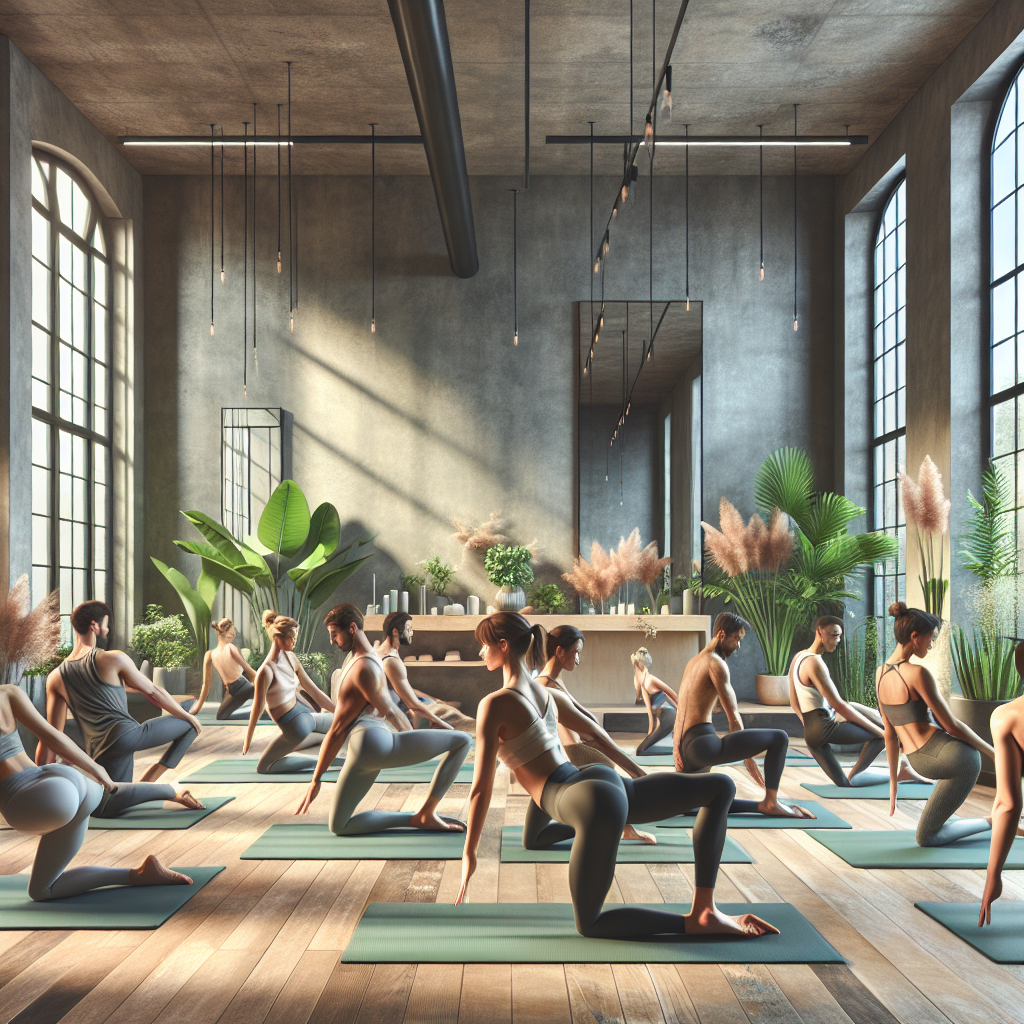
Kneel on one knee with the other foot in front, forming a right angle. Gently push your hips forward while keeping your back straight. This classic stretch targets the hip flexors directly.
Incorporating these exercises into your routine can significantly enhance flexibility and reduce tension in your hip flexors. 🏋️♂️
Benefits of Improved Hip Flexor Flexibility
By integrating Pilates into your fitness regimen, you’ll not only unlock your hip flexors but also enjoy a myriad of other benefits:
– Enhanced posture and alignment
– Increased range of motion
– Reduced risk of injury
– Alleviation of lower back pain
– Improved athletic performance
These benefits contribute to an overall better quality of life, allowing you to move with ease and confidence. 🌟
Conclusion
Unlocking your hip flexors through Pilates is more than just a physical transformation; it’s about embracing a lifestyle of balance, strength, and mindfulness. Whether you’re a seasoned athlete or someone just starting on their fitness journey, flexible hip flexors will pave the way for improved movement and comfort. So, roll out your mat, focus on your breath, and let Pilates guide you to a more flexible you!
FAQs
Q: How often should I practice Pilates to see improvement in my hip flexors?
A: Aim for at least 2-3 times a week to notice significant improvements in flexibility and strength.
Q: Can beginners practice Pilates for hip flexors?
A: Absolutely! Pilates is adaptable for all levels, and beginners can start with basic exercises and gradually progress.
Q: Are there any tools needed for Pilates exercises targeting hip flexors?
A: Generally, a mat is sufficient. However, props like a Pilates ring or resistance bands can enhance your practice.
Remember, consistency is key. Happy stretching! 😊