
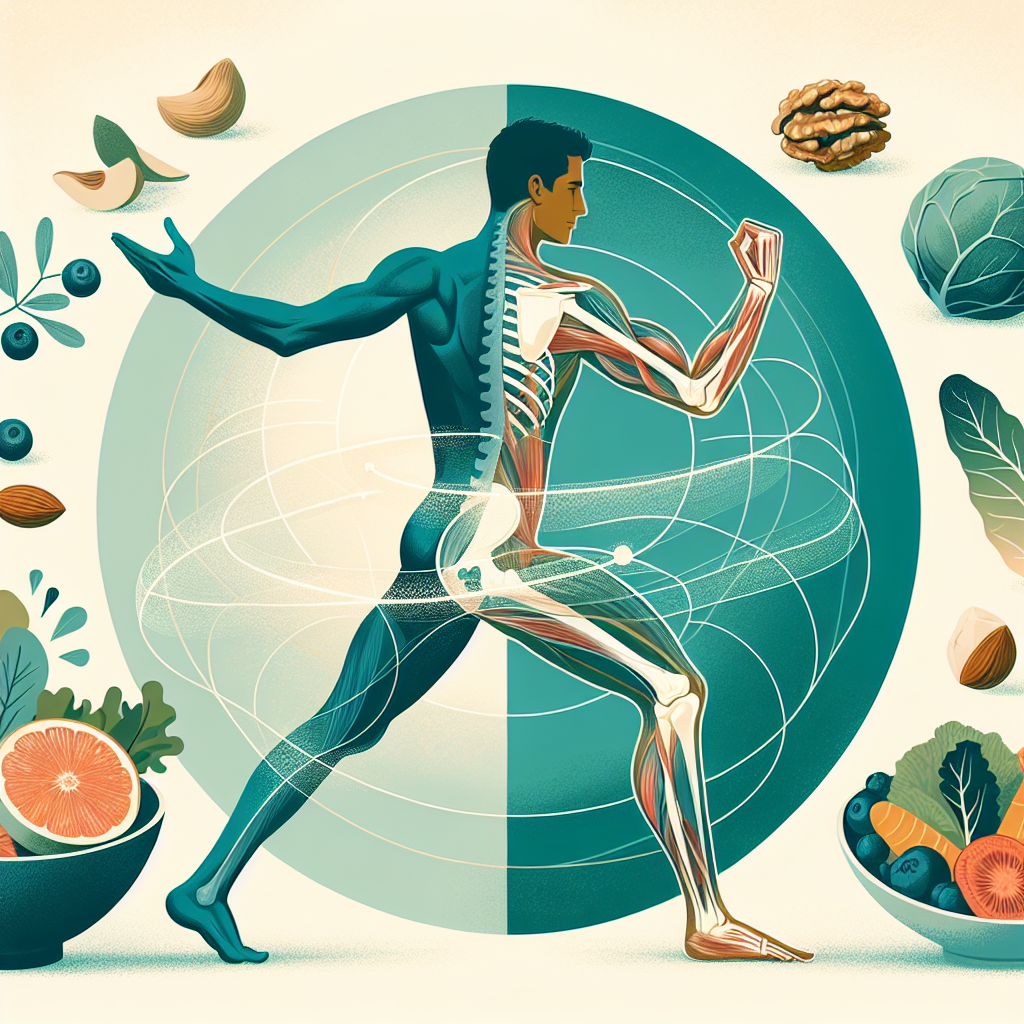
How Diet Affects Your Hip Flexor Flexibility
In the pursuit of flexibility, especially in the hip flexors, many people focus solely on stretching and exercise. However, did you know that your diet plays a crucial role in enhancing your hip flexor flexibility? 🍎 Whether you’re an athlete, a yoga enthusiast, or simply someone looking to improve mobility, understanding the connection between what you eat and how your body moves can make all the difference. Let’s dive into the fascinating world of diet and flexibility!
Table of Contents
1. Introduction
2. The Role of Diet in Muscle Flexibility
3. Nutrients that Enhance Hip Flexor Flexibility
4. Foods to Incorporate for Flexible Hips
5. Foods to Avoid for Optimal Flexibility
6. The Importance of Hydration
7. Conclusion
8. FAQs

The Role of Diet in Muscle Flexibility
Flexibility isn’t just about stretching; it’s about nourishing your muscles from the inside out. A balanced diet supplies the essential nutrients that muscles need to function and stretch effectively. When muscles are well-nourished, they’re more pliable, less prone to injury, and recover faster from workouts.
In particular, hip flexors, which are crucial for movements like walking, running, and bending, benefit significantly from a nutrient-rich diet. Proper nutrition helps maintain muscle elasticity and strength, which are vital for flexibility.
Nutrients that Enhance Hip Flexor Flexibility
1. **Protein**: It is the building block of muscles. Consuming adequate protein helps repair and build muscle tissues, making them stronger and more flexible. Lean meats, tofu, and legumes are excellent sources.
2. **Omega-3 Fatty Acids**: Found in fish oils, flaxseeds, and walnuts, omega-3s reduce inflammation and support joint health, which in turn aids in flexibility.
3. **Vitamins and Minerals**: Vitamins like C and D, along with minerals such as magnesium and calcium, are crucial for muscle function and flexibility. They help in collagen production and muscle contraction, which are essential for maintaining flexible hip flexors.
4. **Antioxidants**: These fight free radicals and reduce inflammation in the body. Berries, green tea, and dark chocolate are packed with antioxidants and can aid in maintaining muscle health and flexibility.
Foods to Incorporate for Flexible Hips
To boost your hip flexor flexibility, it’s beneficial to include the following foods in your diet:
– **Leafy Greens**: Spinach and kale are rich in magnesium and calcium, which are vital for muscle relaxation and contraction.
– **Fatty Fish**: Salmon and mackerel are high in omega-3 fatty acids, which help reduce inflammation and support joint health.
– **Nuts and Seeds**: Almonds and chia seeds provide a good dose of magnesium and healthy fats.
– **Fruits**: Oranges and strawberries are rich in vitamin C, which aids in collagen production.
– **Whole Grains**: Quinoa and brown rice are excellent sources of protein and fiber, supporting overall muscle health.
Foods to Avoid for Optimal Flexibility
Just as there are foods that can enhance flexibility, some can impede it. Here are a few to limit or avoid:
– **Processed Foods**: These often contain unhealthy fats and sugars that can cause inflammation, hindering muscle flexibility.
– **Sugary Drinks**: Excessive sugar intake can lead to inflammation and decreased muscle function.
– **Alcohol**: It dehydrates the body and can affect muscle hydration and flexibility.
The Importance of Hydration
Water is vital for muscle function and flexibility. 💧 Staying hydrated ensures that your muscles remain supple and can stretch without injury. Dehydration can lead to muscle stiffness and decreased flexibility, so make sure to drink plenty of water throughout the day, especially before and after workouts.
Conclusion
Your journey to achieving flexible hip flexors is not just about how much you stretch, but also about how well you nourish your body. By incorporating a balanced diet rich in essential nutrients and staying hydrated, you can enhance your hip flexor flexibility and overall muscle health. Remember, a healthy inside leads to a more flexible outside! 🌟
FAQs
Q: How long does it take to see improvements in flexibility with dietary changes?
A: It varies from person to person, but generally, you can start noticing improvements within a few weeks of consistent dietary changes.
Q: Can supplements replace a healthy diet for flexibility?
A: While supplements can help, they should not replace a balanced diet. Whole foods provide a complex range of nutrients that work together to support muscle flexibility.
Q: Is stretching still necessary if I follow a diet for flexibility?
A: Absolutely! Stretching complements a healthy diet and is essential for improving and maintaining flexibility.
Embrace the synergy between nutrition and flexibility, and watch your body move with greater ease and grace! 🌿