
Hip Flexor Health: Tips from a Physical Therapist
Our hip flexors play a crucial role in our daily movements, from walking and running to sitting and bending. Despite their importance, they often go unnoticed until problems arise. In this blog post, we’ll explore the significance of maintaining healthy hip flexors and share expert tips from a physical therapist. Whether you’re an athlete or someone who spends a lot of time sitting, these insights can help you keep your hip flexors in top shape. 🏃♂️🧘♀️
Table of Contents
1. Understanding the Hip Flexors
2. Common Issues with Hip Flexors
3. Tips for Maintaining Healthy Hip Flexors
– Stretch Regularly
– Strengthen with Exercises
– Mind Your Posture
– Incorporate Movement into Your Routine
4. When to See a Physical Therapist
5. FAQs
6. Conclusion
Understanding the Hip Flexors
The hip flexors are a group of muscles located at the front of the hip. They include the iliacus, psoas major, and rectus femoris, among others. These muscles are responsible for lifting your knee towards your body and play a vital role in maintaining proper posture and stability. Because they are involved in almost every movement involving the lower body, keeping them strong and flexible is essential for overall mobility and health.
Common Issues with Hip Flexors
Problems with the hip flexors can manifest as pain, tightness, or weakness, often due to overuse, injury, or prolonged periods of sitting. Athletes, particularly runners and cyclists, may experience strain due to repetitive movements, while office workers may suffer from tightness due to sitting for long periods. Recognizing these issues early can help prevent long-term damage and maintain optimal function.
Tips for Maintaining Healthy Hip Flexors
Stretch Regularly
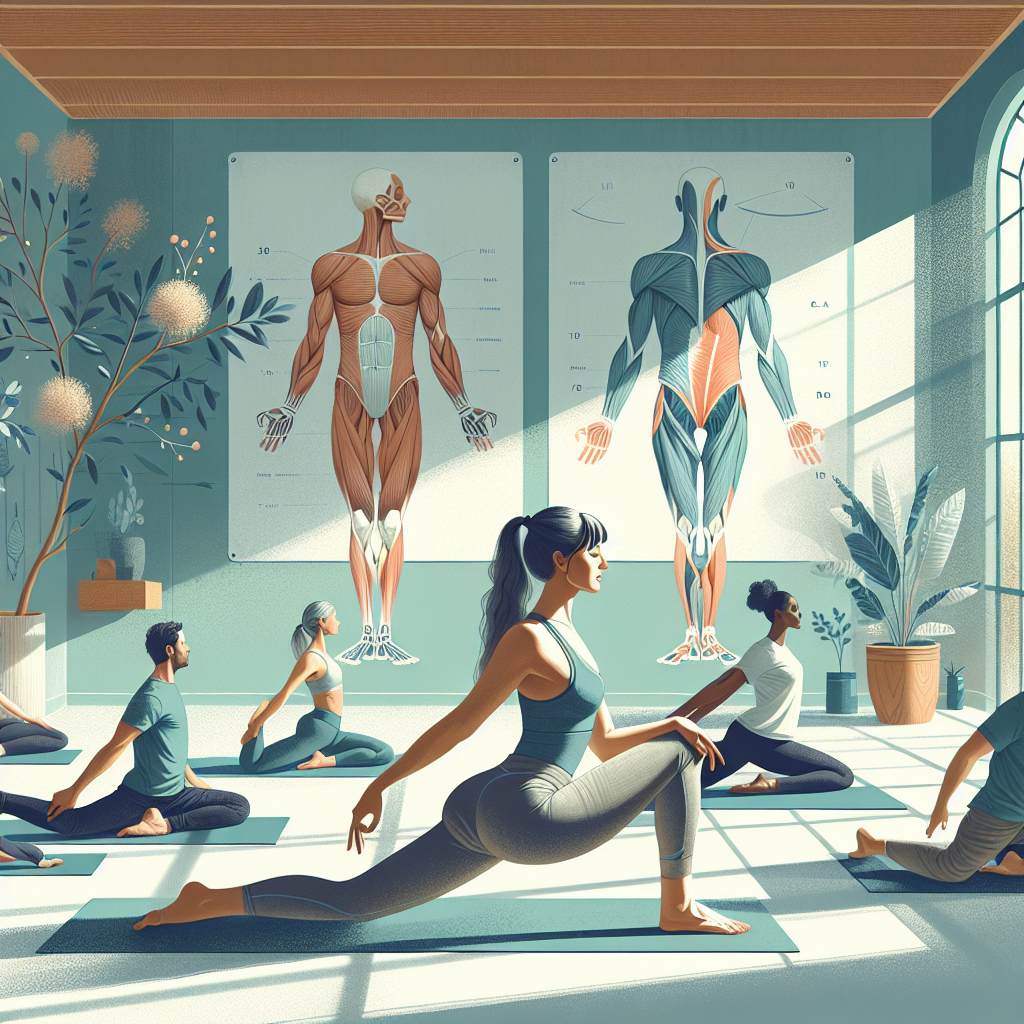
Stretching is key to maintaining flexibility and preventing tightness in the hip flexors. Incorporate stretches such as the kneeling hip flexor stretch or the butterfly stretch into your routine. Hold each stretch for at least 30 seconds and repeat 2-3 times for optimal results. Remember to breathe deeply and relax into each stretch for maximum effectiveness. 🧘♂️
Strengthen with Exercises
Strengthening your hip flexors is equally important. Exercises like leg raises, mountain climbers, and lunges can help build strength. Aim to perform these exercises 2-3 times a week, gradually increasing intensity as your strength improves. Strong hip flexors not only enhance performance but also reduce the risk of injury.
Mind Your Posture
Poor posture can lead to hip flexor issues over time. When sitting, ensure your feet are flat on the floor and your back is straight. Consider using a chair with good lumbar support or a standing desk to reduce strain. Practicing good posture not only benefits your hip flexors but also contributes to overall spinal health.
Incorporate Movement into Your Routine
If you have a sedentary lifestyle, incorporating regular movement breaks into your day can make a significant difference. Set a timer to stand up, stretch, or take a short walk every hour. These small changes can help prevent tightness and promote better circulation, keeping your hip flexors healthy and happy. 🚶♀️
When to See a Physical Therapist
If you experience persistent pain or discomfort in your hip flexors, it may be time to consult a physical therapist. They can provide a comprehensive assessment and develop a personalized treatment plan to address your specific needs. Early intervention can prevent more severe issues and expedite your recovery process.
FAQs
Q: How do I know if my hip flexors are tight?
A: Common signs include discomfort when walking or running, difficulty standing up straight, and a reduced range of motion in the hips.
Q: Can sitting too much cause hip flexor problems?
A: Yes, prolonged sitting can lead to tightness and weakness in the hip flexors, making regular movement and stretching essential.
Q: What is the best exercise for hip flexor health?
A: There isn’t a one-size-fits-all answer, but a combination of stretching and strengthening exercises, like lunges and leg raises, can be highly beneficial.
Conclusion
Maintaining healthy hip flexors is vital for overall mobility and well-being. By incorporating regular stretching, strengthening exercises, and mindful posture into your daily routine, you can prevent common issues and enhance your quality of life. Remember, if you experience persistent problems, a physical therapist can provide valuable guidance and support. Take care of your hip flexors, and they’ll take care of you! 🌟