

The Science Behind Hip Flexor Flexibility
Have you ever wondered why some people can effortlessly perform a full split while others struggle to touch their toes? The secret often lies in the flexibility of the hip flexors. These crucial muscles play a pivotal role in our everyday movement and athletic performance. In this blog post, we’ll delve into the science behind hip flexor flexibility, exploring how it works, why it’s important, and how you can improve it.
Table of Contents
1. What Are Hip Flexors?
2. The Importance of Hip Flexor Flexibility
3. The Science Behind Flexibility
4. Ways to Improve Hip Flexor Flexibility
5. Common Misconceptions
6. Conclusion
7. FAQs
What Are Hip Flexors?
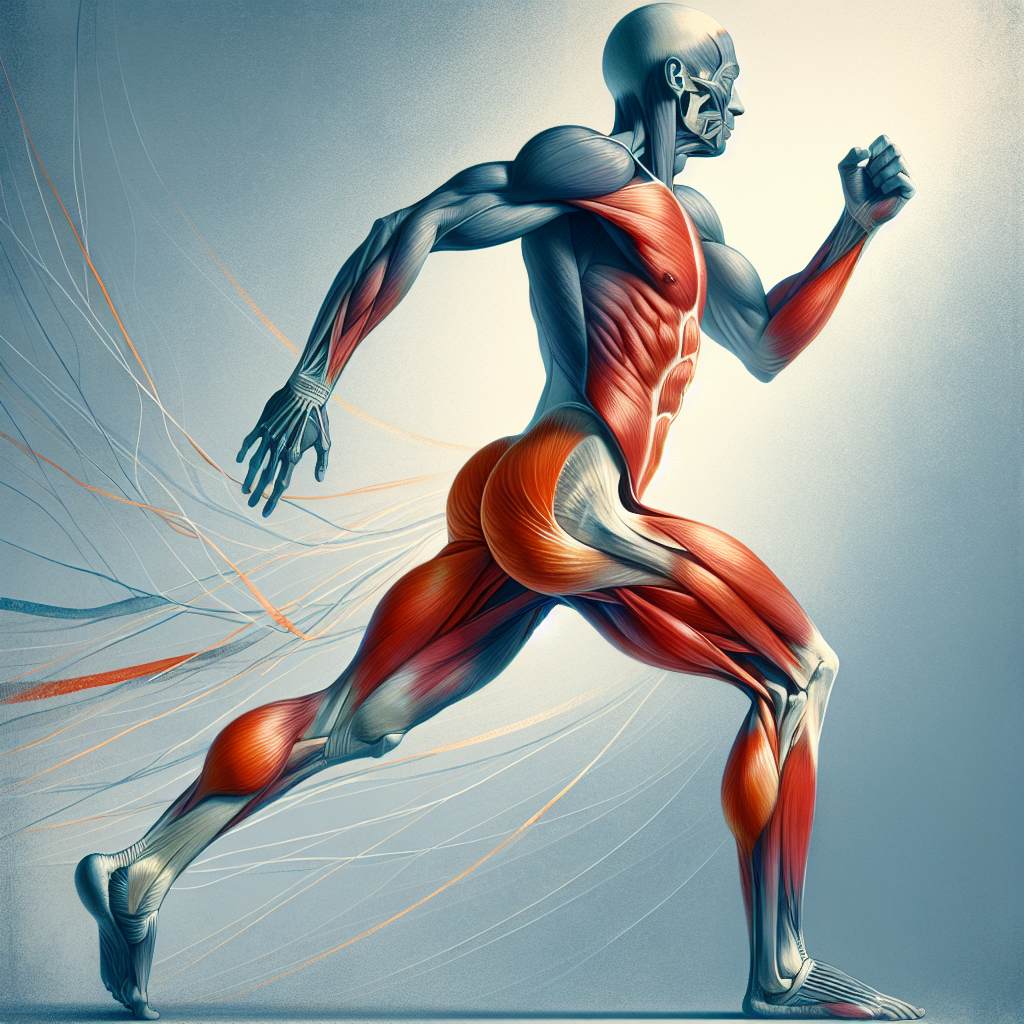
The hip flexors are a group of muscles located near the top of your thighs. They are responsible for lifting your knee towards your body, bending at the waist, and stabilizing your pelvis. The major muscles in this group include the iliopsoas, rectus femoris, and sartorius. Together, these muscles enable a range of movements necessary for walking, running, and jumping.
The Importance of Hip Flexor Flexibility
Having flexible hip flexors is crucial for several reasons:
Enhanced Mobility: Improved flexibility in the hip flexors contributes to better overall mobility and range of motion. This is particularly beneficial for athletes and those engaging in physical activities.
Injury Prevention: Tight hip flexors can lead to compensations in movement patterns, increasing the risk of injuries, especially in the lower back and knees.
Postural Benefits: Flexible hip flexors support better posture by allowing the pelvis to sit in a more neutral position, reducing strain on the spine.
The Science Behind Flexibility
Flexibility is determined by the elasticity of the muscles and the length of the tendons and ligaments. When it comes to the hip flexors, several factors influence their flexibility:
Muscle Composition: Muscles consist of fibers that can be conditioned to become more elastic. Regular stretching and strengthening exercises can increase the flexibility of these fibers.
Nervous System Adaptation: The nervous system plays a role in flexibility by controlling muscle tension. Stretching can train the nervous system to allow greater range of motion by reducing the muscle’s resistance to stretch.
Connective Tissue Adaptability: Tendons and ligaments have a limited capacity to stretch but can adapt over time with consistent training, contributing to overall flexibility.
Ways to Improve Hip Flexor Flexibility
Improving hip flexor flexibility requires a combination of stretching, strengthening, and proper technique. Here are some effective methods:
Dynamic Stretching: Incorporate dynamic stretches like leg swings and lunges into your warm-up routine to prepare the hip flexors for movement.
Static Stretching: Post-workout static stretches such as the kneeling hip flexor stretch can help lengthen the muscles and improve flexibility over time.
Strength Training: Exercises like squats and lunges can strengthen the hip flexors, supporting their flexibility by promoting balance between strength and elasticity.
Consistency: Flexibility improvements take time and consistency. Regular practice, ideally daily, is key to seeing significant improvements.
Common Misconceptions
There are several myths surrounding flexibility that can hinder progress:
Myth 1 – Flexibility Equals Weakness: Some believe that being overly flexible means weaker muscles, but balanced flexibility and strength are crucial for optimal performance.
Myth 2 – Stretching Before Exercise is Essential: While stretching is important, it’s more beneficial to engage in dynamic movements before exercising and save static stretches for after workouts.
Conclusion
Understanding the science behind hip flexor flexibility can greatly enhance your approach to fitness and overall well-being. By focusing on flexibility alongside strength, you can improve your mobility, prevent injuries, and maintain a healthier posture. Remember, it’s a journey that requires patience and consistency, but the benefits are well worth the effort.
FAQs
Q: How often should I stretch my hip flexors?
A: Ideally, you should perform hip flexor stretches daily, especially if you have a sedentary lifestyle or engage in activities that require hip flexion.
Q: Can tight hip flexors cause back pain?
A: Yes, tight hip flexors can tilt the pelvis forward, increasing the arch in the lower back and potentially leading to back pain.
Q: Are there any risks to stretching the hip flexors?
A: Stretching should always be done with proper technique to avoid overstretching or straining the muscles. Listen to your body and avoid pushing to the point of pain.
Q: How long does it take to improve flexibility?
A: Flexibility can take weeks to months to improve significantly, depending on individual factors like starting flexibility, consistency, and technique.
Embrace the journey towards greater hip flexor flexibility with dedication and mindful practice, and you’ll soon enjoy the many benefits it brings to your everyday life and athletic pursuits. 🌟